For generations, South Texas and Mexico have shared more than a border.
We share families, friendships, traditions, businesses, and a history that connects our communities in ways that go far beyond international trade.
Many of us grew up crossing the border to visit family, shop, eat, or spend time with friends. For us, Mexico has never felt like some distant foreign market.
It's part of our everyday lives.
And I believe that connection is one of South Texas's greatest economic strengths.
Think About It From a Business Perspective
Anyone who operates a business understands that growth generally comes from two opportunities.
You can sell more products and services to your existing customers.
Or you can expand your marketplace and reach an entirely new group of buyers and consumers.
Now imagine operating a business in a region where your potential customer base extends beyond your local population and into another country.
That's the opportunity South Texas has.
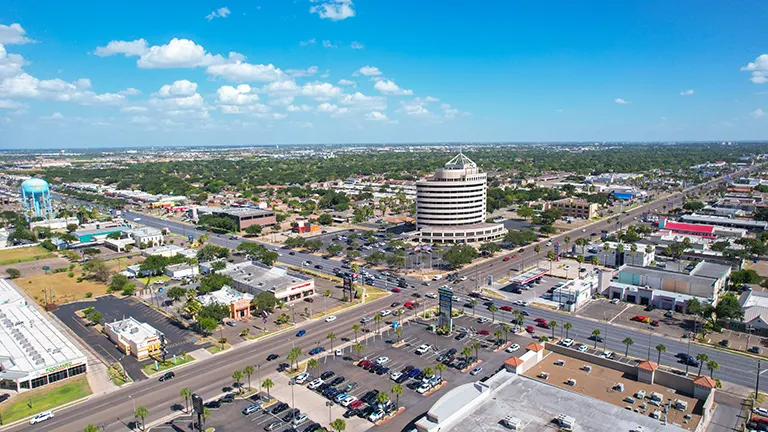
Our economy isn't supported only by the people who live in McAllen, Edinburg, Mission, Brownsville, Harlingen, Weslaco, Raymondville, Rio Grande City, Roma, and the many other communities throughout the Rio Grande Valley.
It's also influenced by millions of consumers and thousands of businesses across Northern Mexico and beyond.
And the numbers help explain just how significant that relationship has become.
The Numbers Tell an Incredible Story
For our latest South Texas Market Intelligence report, we compiled publicly available research on the relationship between Mexico and the Rio Grande Valley.
Here are a few findings that stood out to me:
- $67.1 billion in U.S.–Mexico goods trade moved through Rio Grande Valley ports of entry in 2024.
- $39.5 billion in goods entered the United States through our region, while $27.6 billion moved south into Mexico.
- Approximately 19 million northbound passenger-vehicle and pedestrian crossings, plus 1.17 million commercial-truck crossings, were recorded at RGV ports in 2024.
- 5.8 million Mexican residents made overnight visits to Texas in 2024.
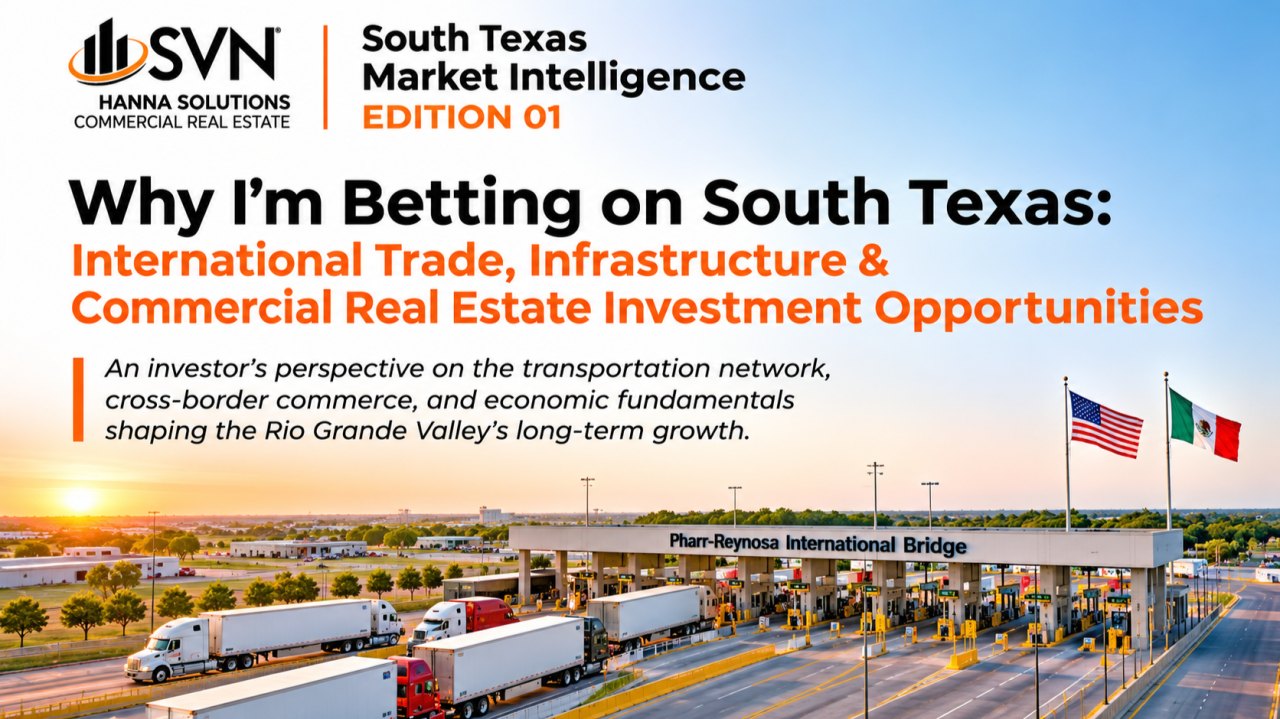
- Approximately 66.6% of the RGV's international goods trade moved through the Hidalgo port-of-entry system, which includes the Anzalduas, McAllen–Hidalgo, and Pharr–Reynosa bridges.
These are not projections. They are reported trade, travel, and crossing figures drawn from public sources.
And they show why our region's relationship with Mexico deserves serious attention from businesses and investors.
Monterrey Is Closer Than Many People Realize
Consider Monterrey, one of Mexico's most important industrial and business centers.
Its metropolitan area has approximately 5.34 million residents, based on the 2020 census.
And it's only about a three-hour drive from McAllen, excluding border wait times.
There are also nonstop flights connecting Monterrey with McAllen and Brownsville.
Think about what that means.
A business operating in the Rio Grande Valley isn't necessarily limited to the purchasing power of its immediate community.
It can also serve customers, businesses, and investors from a major metropolitan market just a few hours away.
And that relationship extends beyond Monterrey to Reynosa, Matamoros, Mexico City, and other markets throughout Mexico.
Our geographic location creates opportunities that many other markets simply don't have.
International Commerce Is Only Part of the Story
When people think about the border economy, they often picture commercial trucks transporting goods across international bridges.
And that's an enormous part of our regional economy.
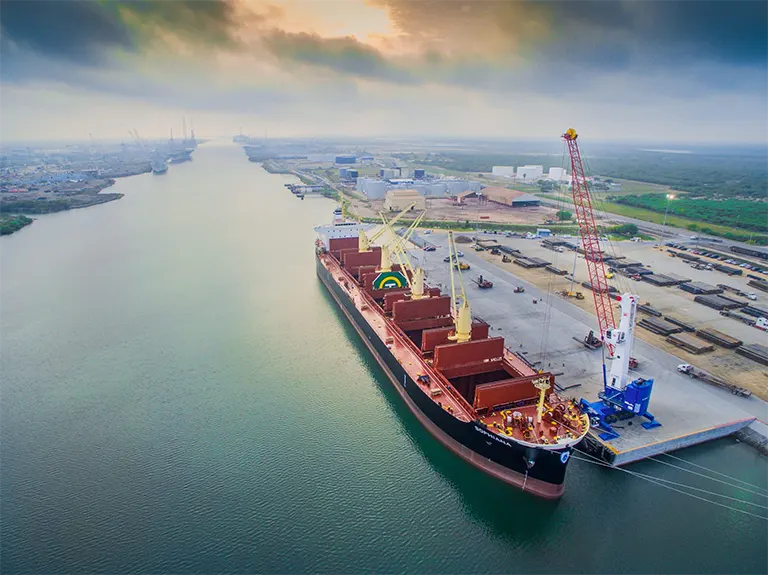
Manufacturing, logistics, warehousing, distribution, transportation, and international trade create demand for businesses and commercial real estate on both sides of the border.
But there's another side to the story.
Mexican consumers have supported South Texas retailers, restaurants, hotels, medical providers, banks, and professional services for generations.
Long before some of our major shopping centers were developed, Mexican shoppers were already an important part of the Rio Grande Valley's economy.
That relationship continues today.
The impact goes beyond the money spent during any individual visit.
It supports businesses, creates employment, generates tax revenue, and encourages additional private investment.
And it creates opportunities for commercial real estate development.
What Does This Mean for Commercial Real Estate?
This is where I get particularly excited.
When a region attracts consumers and businesses from outside its immediate population, it creates opportunities across multiple property sectors.
Retail: Shopping centers, restaurants, and service businesses benefit from access to both local customers and cross-border consumers.
Industrial: International trade supports demand for warehouses, distribution facilities, transportation services, and logistics-related properties.
Hospitality: Visitors coming to shop, conduct business, receive services, or visit family create demand for hotels and other accommodations.
Office and professional services: Banking, legal, medical, financial, and other professional services serve clients whose business and personal relationships cross the border.
Residential and development: Cross-border relationships can also influence housing demand, investment activity, and the development of new communities.
Of course, not every property benefits equally from international demand.
Location, accessibility, infrastructure, pricing, and the needs of the surrounding market still matter.
But understanding where that demand comes from gives investors and developers a much better perspective when evaluating opportunities.
We Have to Keep Strengthening the Relationship
Our geographic advantage is important, but geography alone doesn't guarantee economic growth.
We still need to invest in infrastructure, improve mobility, strengthen our international crossings, develop our workforce, and make it easier for businesses to operate and expand.
We also need to recognize that international trade policies, currency fluctuations, and economic conditions on both sides of the border can affect our local economy.
The relationship creates tremendous opportunity, but it also creates shared economic exposure.
That's why strengthening our connections with Mexico should remain an important part of our region's long-term economic development strategy.
Our Greatest Advantage Has Been Here for Generations
I believe the Rio Grande Valley has tremendous potential for continued economic growth.
Not simply because of our population or the development happening throughout our communities.
But because we're connected to a much larger marketplace.
And that connection isn't just measured in billions of dollars in trade or millions of border crossings.
It's measured in the families, friendships, and business relationships that have connected South Texas and Mexico for generations.
The border separates two countries. But economically, socially, and culturally, our communities have always been connected.
The more we understand that advantage, the better positioned we are to build on it.
And I believe commercial real estate will continue to play an important role in that growth.
Download the Research Report
As part of our South Texas Market Intelligence series, we've prepared a seven-page research briefing:
Mexico Next Door: One Economy Across the Border
The report includes:
- U.S.–Mexico trade volumes through Rio Grande Valley ports
- International crossing activity and regional connectivity
- Monterrey and Mexico City market access
- Mexican consumer spending and investment indicators
- Commercial real estate implications across multiple property sectors
- Research methodology and references
Download the November 2026 South Texas Market Intelligence Report
Our goal with this series is to organize publicly available information, share useful market insights, and help investors, business owners, and community leaders better understand the opportunities across South Texas.
There's a lot happening in our region, and I believe our best years are still ahead of us.
Mark Hanna, CCIM
SVN | Hanna Solutions Commercial Real Estate